L'économie spatiale : comment la collaboration stratégique façonnera l'avenir orbital de l'Europe
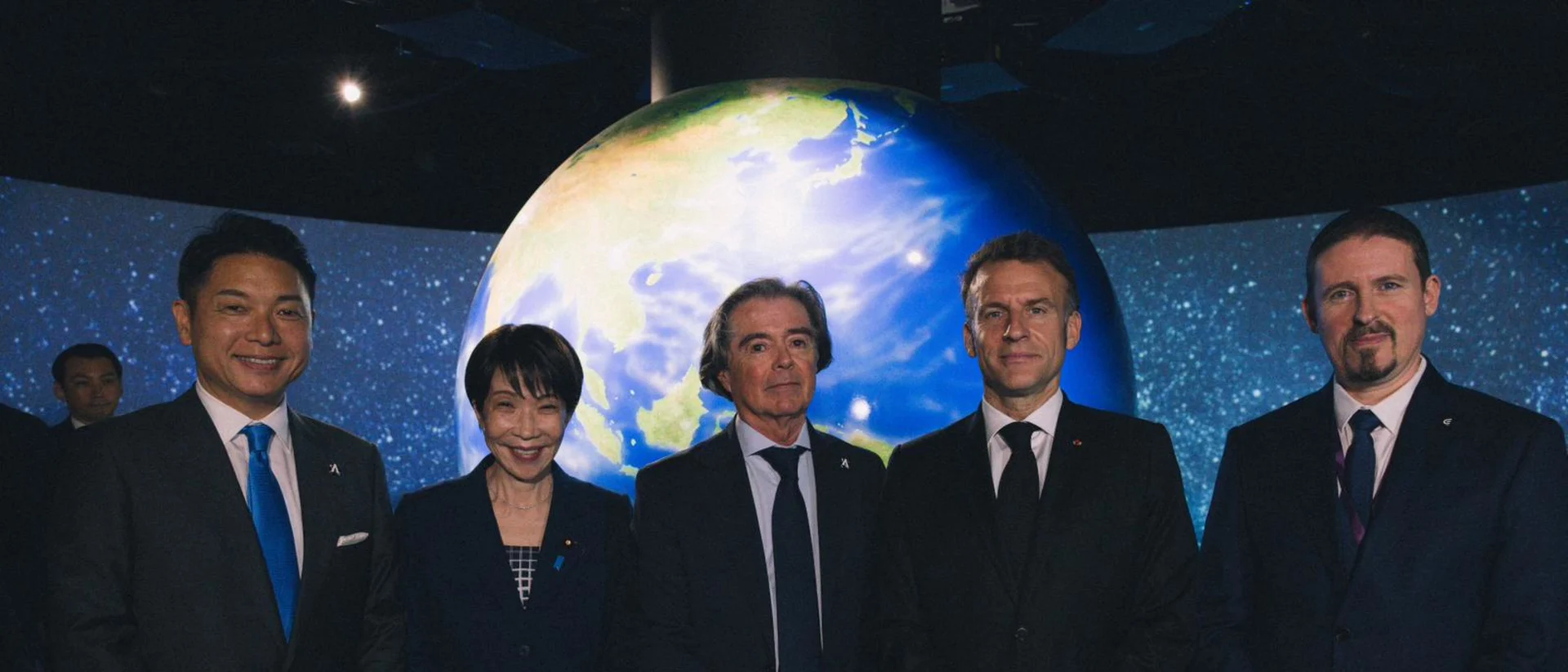
L'espace est souvent présenté comme une frontière de l'ingénierie – des avancées majeures en matière de propulsion, d'autonomie, de rendez-vous et d'amarrage – mais en travaillant avec des partenaires à travers l'Europe, il me semble clair que la véritable frontière aujourd'hui est souvent négligée : c'est l'activité spatiale elle-même.
Il est essentiel de comprendre que travailler dans l'espace ne se résume pas à développer des compétences. Il s'agit aussi de créer des marchés, de la confiance et des modèles industriels reproductibles, en collaboration avec des partenaires, des gouvernements et des opérateurs qui apprennent tous ensemble à évoluer dans cet écosystème.
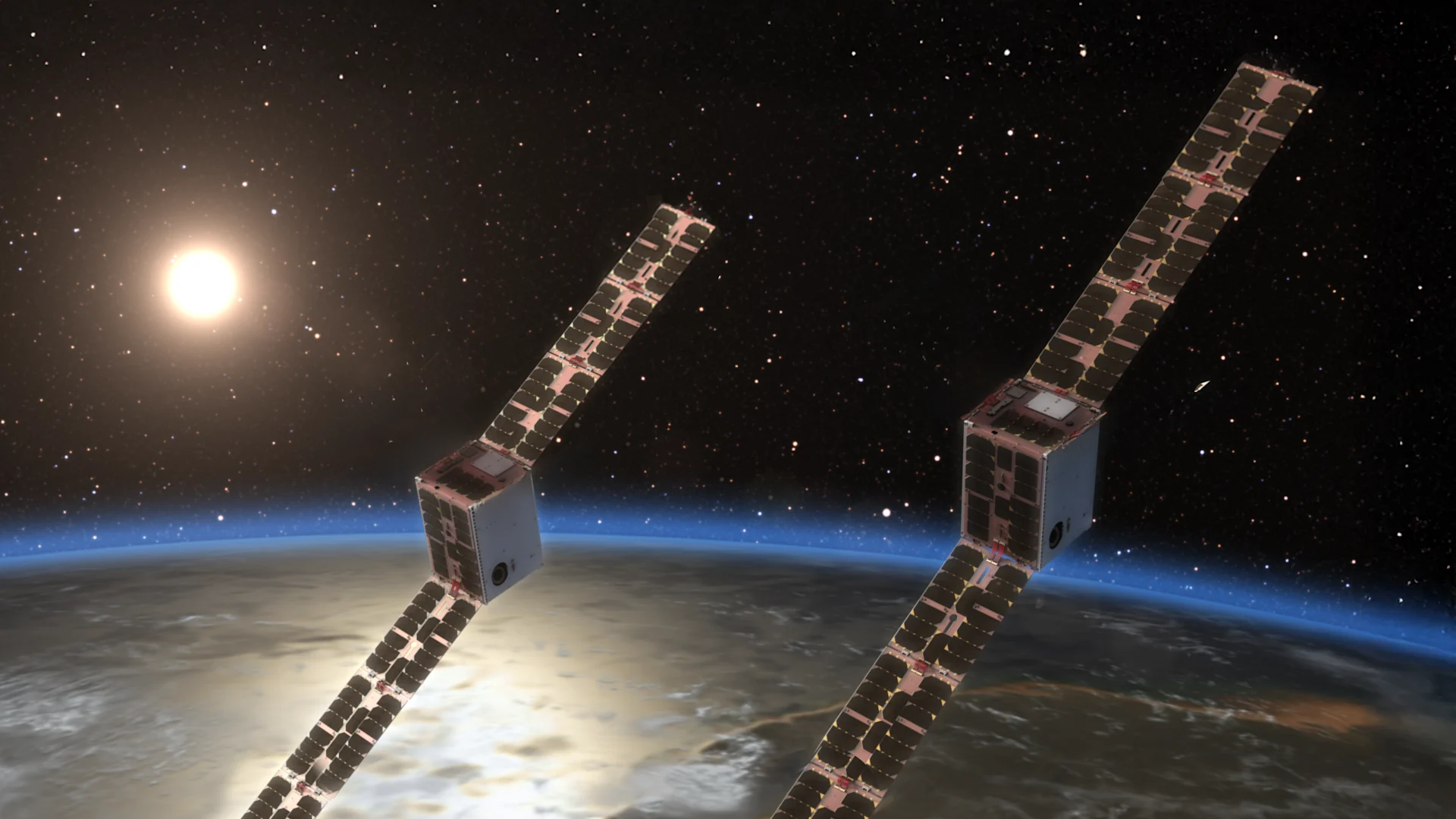
Et cela n'apparaît nulle part plus clairement que dans notre collaboration avec Exotrail pour faire progresser les capacités de désorbitation des satellites en orbite terrestre basse – une mission qui illustre comment les alliances stratégiques façonnent l'avenir des opérations spatiales en Europe.
Dans la plupart des secteurs matures, on peut s'appuyer sur des décennies de pratique : comment structurer les chaînes d'approvisionnement, comment fixer les prix des services, comment gérer les risques et développer les entreprises, comment protéger la propriété intellectuelle tout en travaillant aux côtés de secteurs en pleine expansion.
Le secteur spatial, et notamment les segments émergents comme la maintenance en orbite et la gestion des satellites en fin de vie, ne bénéficie pas encore de ce luxe. Ces marchés se créent au fur et à mesure de leur déploiement ; c’est passionnant, mais intense à tous les niveaux.
Nous apprenons en temps réel comment adapter la technologie aux exigences réglementaires, coordonner les missions présentant différents profils de risque, aligner les intérêts stratégiques nationaux et multinationaux et, en fin de compte, fournir des services que les gouvernements et les opérateurs commerciaux peuvent acheter en toute confiance.
Cet environnement récompense les entreprises qui non seulement innovent sur le plan technique, mais qui façonnent également les cadres commerciaux qui rendent l'innovation durable.
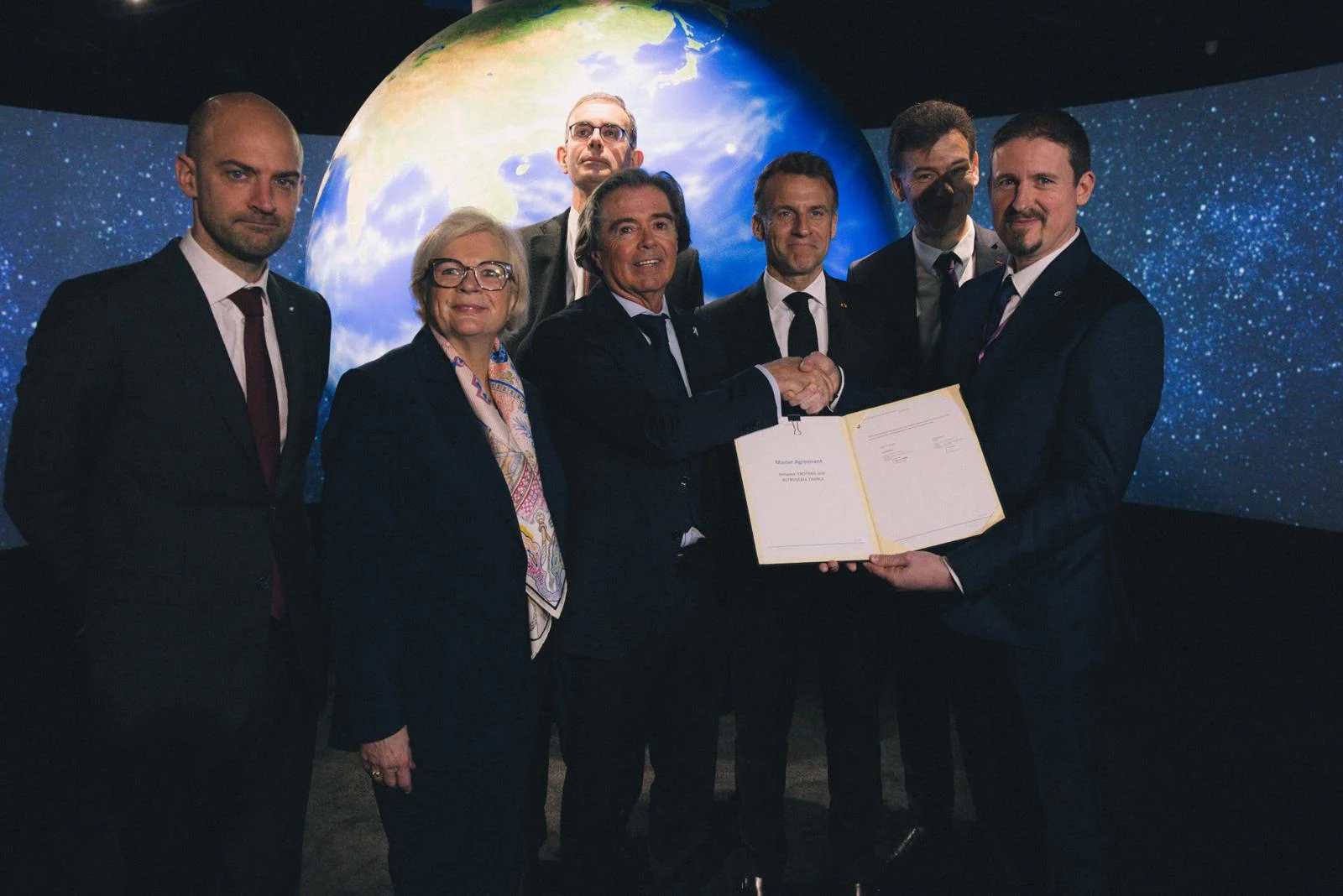
Le partenariat stratégique annoncé entre Astroscale France et Exotrail – visant à développer des capacités de désorbitation contrôlée en orbite terrestre basse – illustre un nouveau modèle de coopération pour l'industrie spatiale européenne.
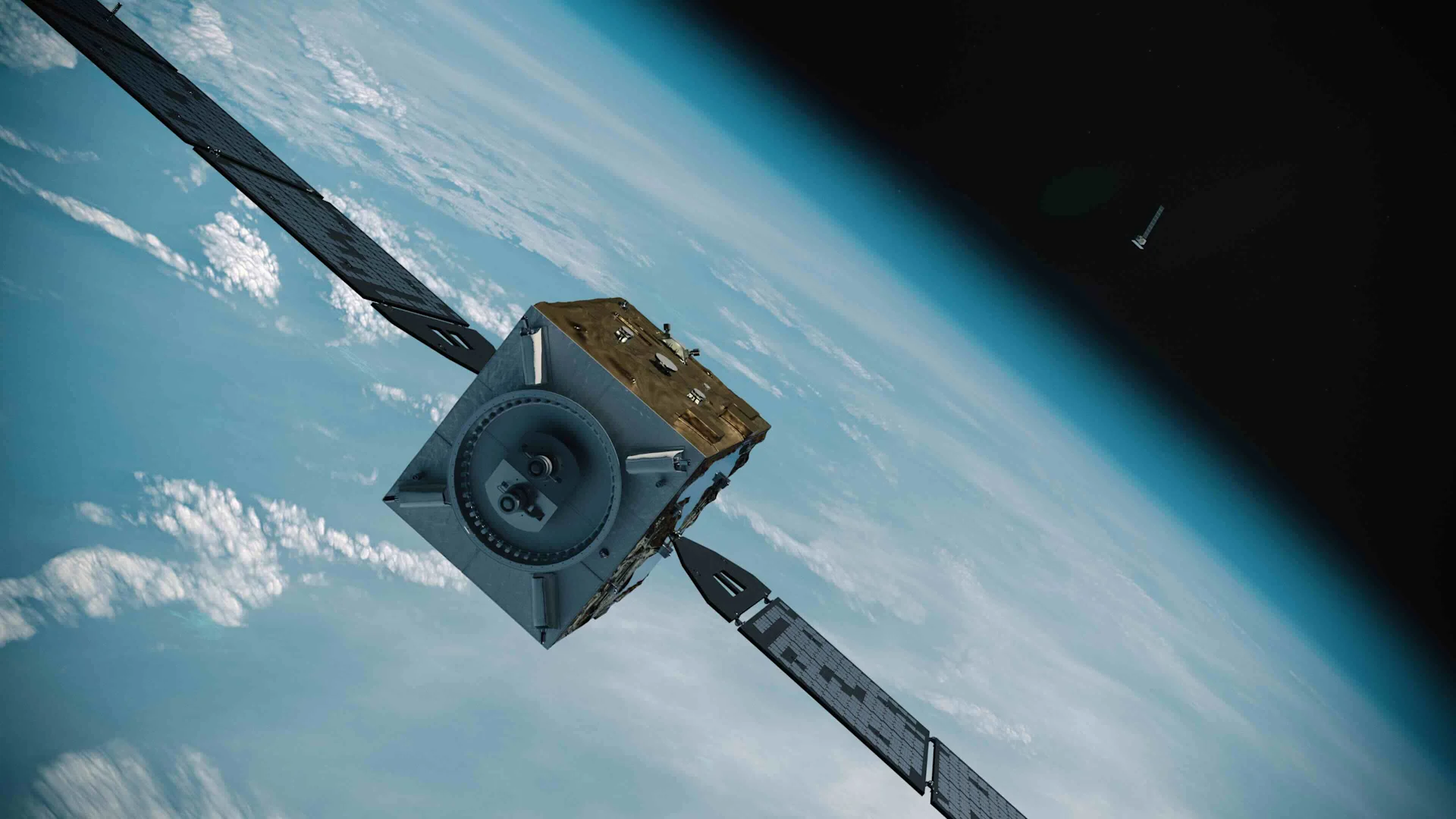
La désorbitation n'est pas qu'un simple défi technique. Elle se situe au carrefour du développement durable, de l'assurance, de la confiance réglementaire et de la fiabilité opérationnelle. Ce partenariat associe l'expertise d'Exotrail en matière de missions et de plateformes de transfert orbital à haute mobilité aux technologies éprouvées d'Astroscale France dans les systèmes de capture et les opérations de proximité.
Il ne s'agit pas d'un sprint d'ingénierie ponctuel. C'est une feuille de route partagée visant à réaliser une mission de démonstration avant 2030 et à jeter les bases de futures solutions européennes en matière de rendez-vous, d'amarrage et de gestion du cycle de vie des satellites.
Pourquoi est-ce important ? Parce que dans l’économie spatiale actuelle, la collaboration n’est plus une solution de repli, mais un véritable atout concurrentiel. Dans un environnement orbital saturé, l’expertise combinée accélère le développement des compétences, réduit les doublons et positionne l’Europe comme un fournisseur de solutions souveraines auxquelles les gouvernements et les opérateurs peuvent faire confiance.
Les gouvernements, les investisseurs institutionnels et les opérateurs commerciaux ont besoin de constater une atténuation des risques mesurable, un alignement clair avec les priorités stratégiques et réglementaires et, surtout, une voie vers une mise en œuvre reproductible et à grande échelle.
Cette crédibilité se construit grâce à des partenariats comme celui avec Exotrail, où l'expertise partagée s'accompagne d'une responsabilité partagée quant aux résultats. Et surtout, grâce à des progrès visibles et concrets qui vont au-delà des simples annonces.
La confiance dans la sécurité, la fiabilité et l'interopérabilité internationale des services de désorbitation est aussi importante que la résolution du problème technique lui-même.
Les récits comptent – aujourd’hui plus que jamais.
Nous vivons également à une époque où la visibilité influe sur la viabilité. Les gouvernements et les opérateurs veulent s'assurer non seulement de l'existence de cette capacité, mais aussi de son intégration dans un écosystème cohérent et évolutif.
Les récits que nous élaborons – par le biais des médias, d’une communication stratégique et d’un dialogue constructif avec les parties prenantes – contribuent à instaurer cette confiance. Cela implique d’expliquer clairement pourquoi des services comme la désorbitation font désormais partie intégrante de l’infrastructure souveraine européenne, comment la coopération peut élargir la participation industrielle sans nuire à la compétitivité, et comment les alliances stratégiques peuvent mobiliser les financements et le soutien politique nécessaires aux missions de longue durée.
Ce travail narratif n'est pas périphérique. Il est essentiel à la manière dont l'industrie saisit les opportunités et conquiert des parts de marché dans un environnement où peu d'entreprises peuvent se prévaloir d'un héritage solide à la fois technologique et institutionnel.
L’écosystème spatial que nous bâtissons en Europe prospère grâce à la collaboration, sans pour autant compromettre l’identité stratégique ni la souveraineté. Des partenariats comme celui avec Exotrail démontrent qu’il est possible de co-créer des capacités tout en protégeant la propriété intellectuelle, en gérant les risques et en renforçant les fondements industriels nationaux et régionaux.

Nous démontrons que l'avenir de l'espace n'est pas un jeu à somme nulle. Les marchés orbitaux seront conquis par ceux qui comprennent que le partage des capacités peut démultiplier l'impact, et non le diluer.
Alors que nous nous dirigeons vers les premières missions de démonstration et au-delà, l'industrie spatiale européenne se trouve à un tournant décisif. Nous possédons les talents, l'ambition et l'engagement institutionnel nécessaires pour devenir un chef de file des services orbitaux. Mais ce leadership spatial ne se définira pas seulement par les fusées et les robots, mais aussi par les alliances que nous forgerons, les marchés que nous co-créerons et les écosystèmes de confiance que nous bâtirons.
Voilà le véritable enjeu du secteur spatial. Et grâce à des partenariats comme celui d'Astroscale France et d'Exotrail, nous en définissons les contours.
Traduction
Les traductions sont générées automatiquement et peuvent comporter des imperfections.
Toutes catégories
Articles récents
Astroscale UK Strengthens Mission Readiness for World’s First Active Debris Removal Mission
30 septembre 2026ESA's Space Environment Report Shows a Growing Gap Between Space Growth and Sustainability
15 septembre 2026Astroscale France and HEMERIA Join Forces to Develop Sovereign GEO Capability for Global Markets
15 septembre 2026