La mission ADRAS-J d'Astroscale achève ses opérations et entame sa désorbitation
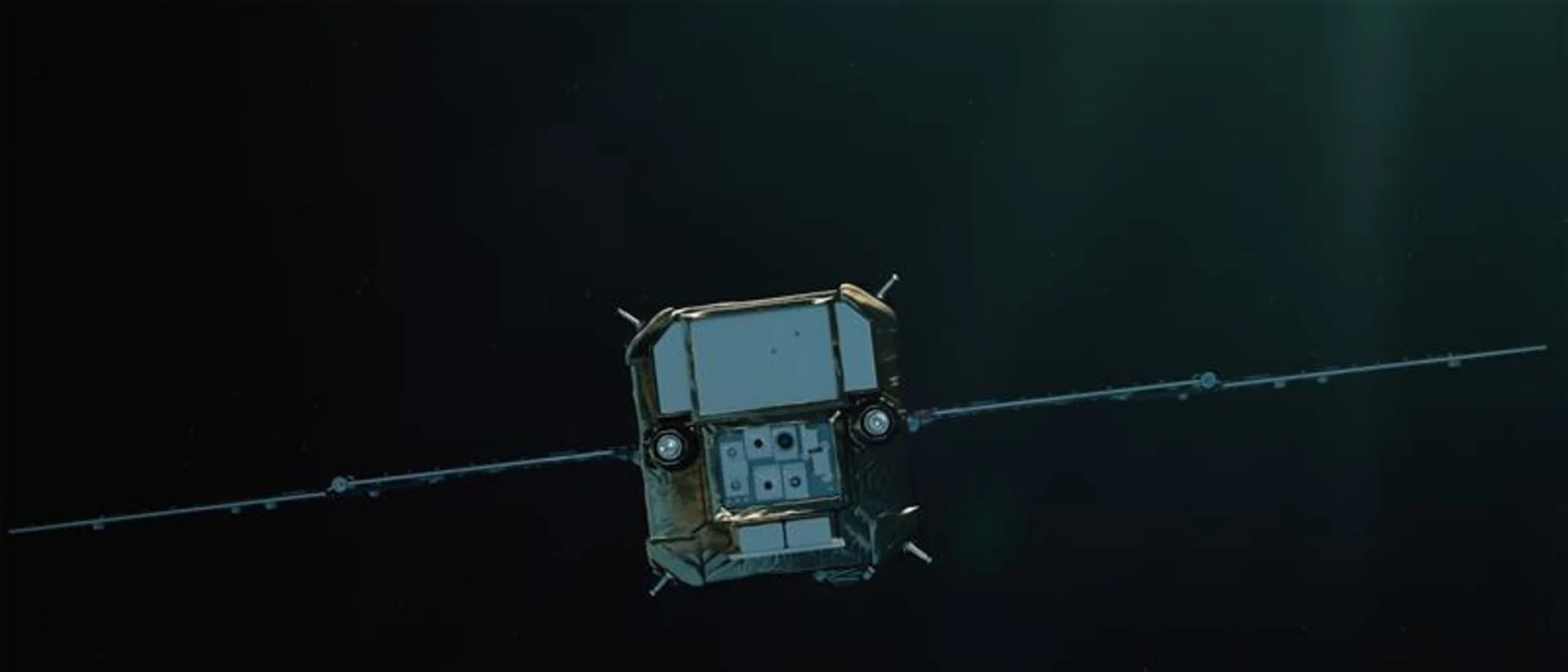
Après 293 jours en orbite, le premier satellite commercial d'inspection des débris spatiaux au monde entame une désorbitation contrôlée.
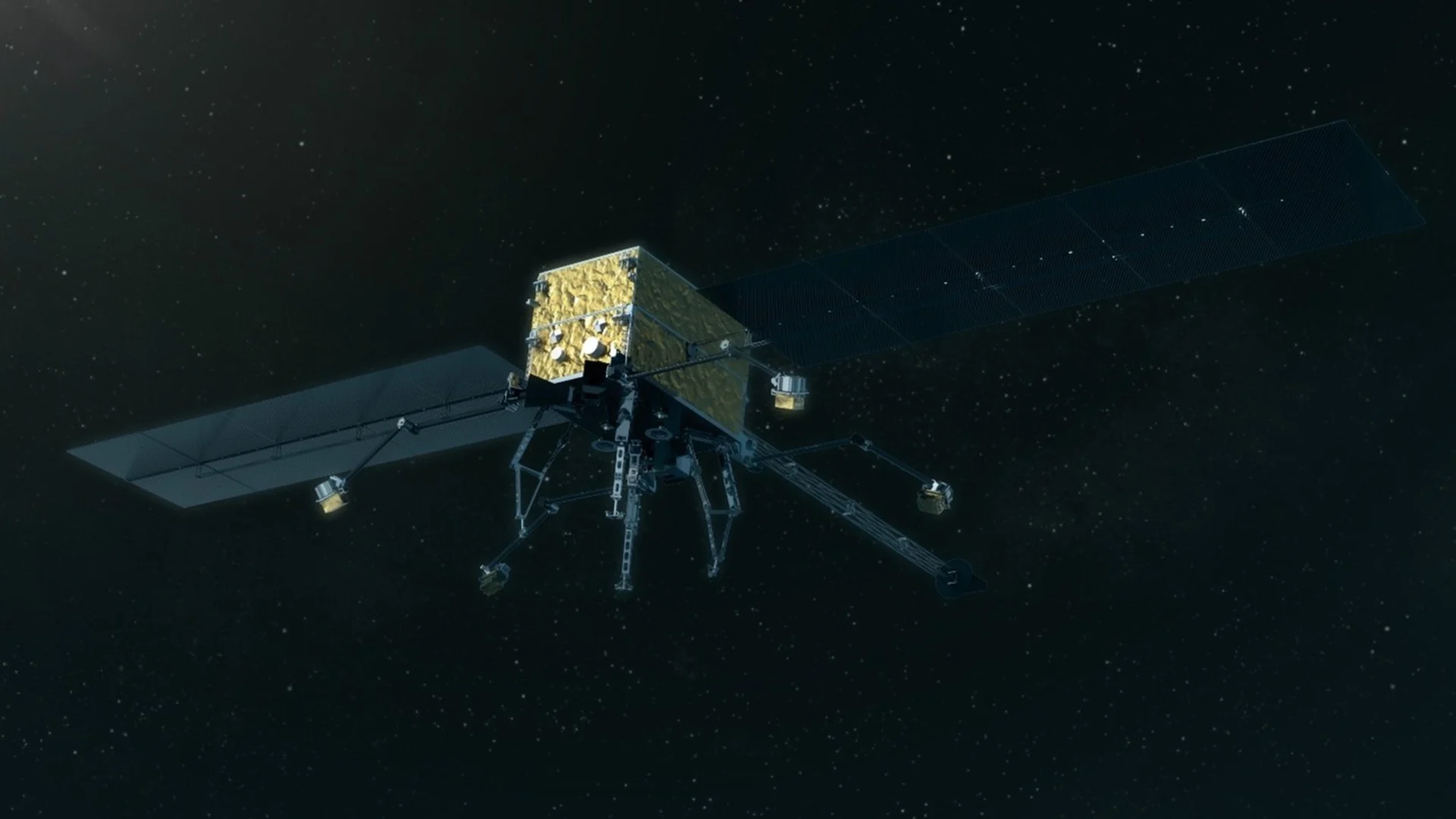
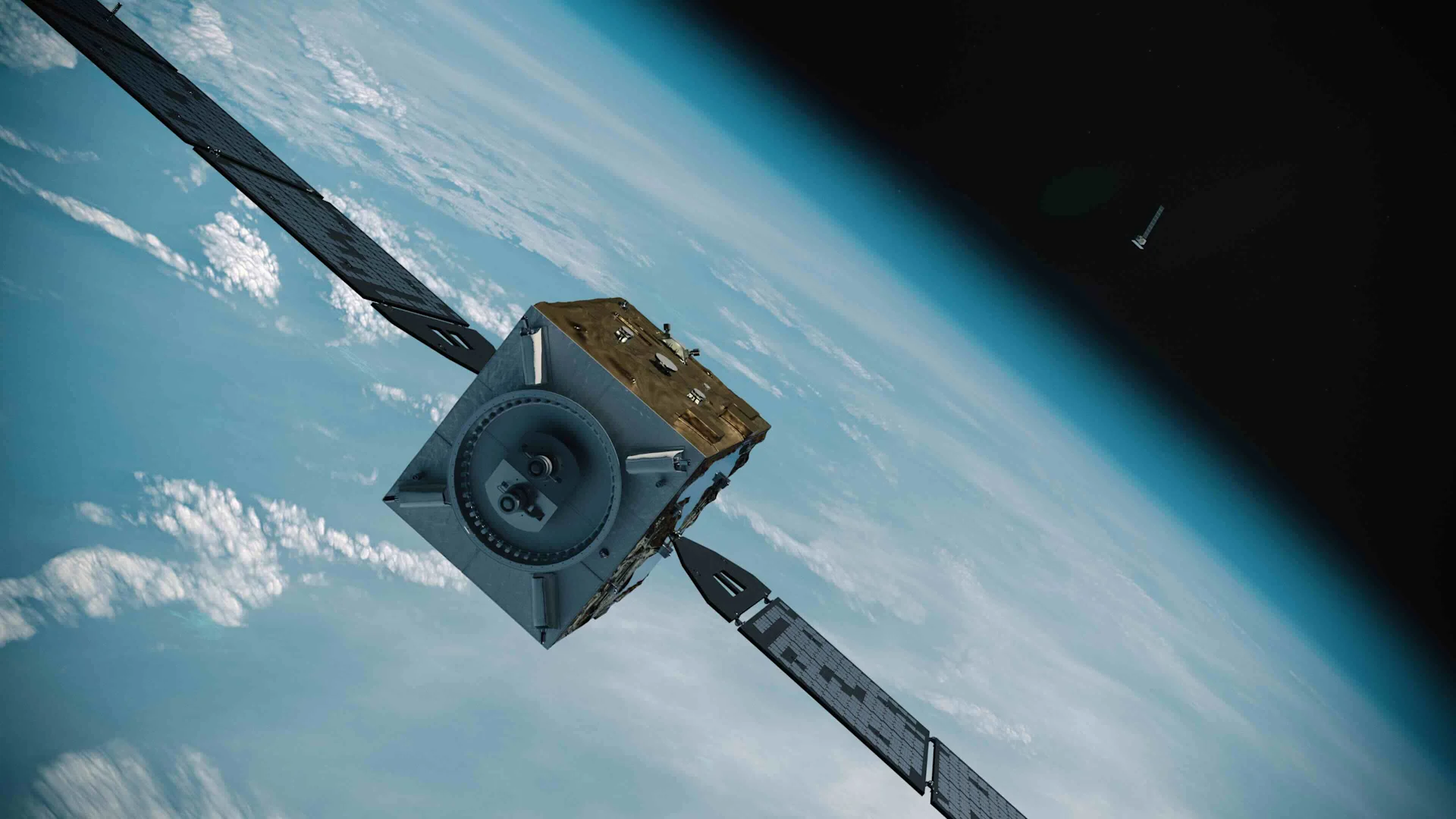
Tokyo, Japon, 25 mars 2026 – Astroscale Japan Inc. (« Astroscale Japon »), filiale d’Astroscale Holdings Inc. (« Astroscale »), leader du marché des services aux satellites et de la durabilité à long terme sur toutes les orbites, a annoncé que son satellite de démonstration commercial de désorbitation des débris spatiaux, ADRAS-J, a entamé ses opérations de désorbitation. Cette étape marque la conclusion de la première mission mondiale ayant réussi à approcher et à capturer des images rapprochées d’un gros débris spatial.1
ADRAS-J a déjà abaissé son altitude orbitale à un niveau permettant une décroissance orbitale naturelle et une rentrée atmosphérique d'ici cinq ans. Des opérations supplémentaires d'abaissement d'orbite sont prévues, et il est programmé qu'il rentre finalement dans l'atmosphère, où il se consumera.
Développée et exploitée par Astroscale Japan, ADRAS-J a été conçue pour démontrer les technologies essentielles de rendez-vous et d'opérations de proximité (RPO). Ces capacités constituent la base des futurs services en orbite, notamment le retrait des débris spatiaux, et sont souvent décrites comme des « services routiers spatiaux ». La mission s'est déroulée dans le cadre de la phase I du projet de démonstration de retrait commercial des débris (CRD2), mené par l'Agence d'exploration aérospatiale japonaise (JAXA).
Depuis son lancement en février 2024, ADRAS-J a franchi une série d'étapes historiques en s'approchant d'un étage supérieur de fusée non coopératif (mesurant environ 11 mètres de long, 4 mètres de large et pesant environ 3 tonnes). Parmi ces réalisations figurent une approche à longue portée, la capture d'images des débris, des observations en vol, un passage à moins de 15 mètres des débris et la validation réussie des capacités d'évitement de collision autonomes du vaisseau spatial.
La mission a également permis de capturer des images de l'adaptateur de charge utile, la structure ciblée pour la capture lors de la prochaine mission ADRAS-J2, phase II du CRD2. Ces résultats renforcent le leadership du Japon dans les technologies de retrait de débris et représentent une étape cruciale vers la réalisation de la première mission mondiale de retrait de débris lancée depuis le Japon².
« Concevoir une technologie entièrement nouvelle pour effectuer des manœuvres d'approche à distance (RPO) complètes avec un objet non coopératif s'est avéré bien plus complexe que prévu », a déclaré Eijiro Atarashi, chef de projet ADRAS-J chez Astroscale Japan. « Pourtant, chaque phase de navigation a dépassé nos prévisions. Même lorsque le satellite a amorcé une manœuvre d'interruption en cours d'approche, le sang-froid et la rigueur de l'ingénierie de l'équipe ont permis une récupération en toute sécurité et de multiples approches réussies. Cette expérience nous a apporté des enseignements précieux sur la conception d'un système de service en orbite idéal et renforcera sans aucun doute nos missions à venir. »
« Grâce à la démonstration réussie des technologies RPO lors de cette mission, Astroscale a acquis un avantage concurrentiel majeur sur le marché des services en orbite », a déclaré Nobu Okada, fondateur et PDG d'Astroscale et directeur général d'Astroscale Japon. « Nous sommes profondément reconnaissants envers la JAXA, nos partenaires, nos investisseurs, nos fournisseurs et l'équipe Astroscale pour leur soutien. Nous sommes impatients de poursuivre le développement de nos futures missions. »
La mission ADRAS‑J2 — dont le lancement est prévu pour l'exercice financier 2027 — aura pour objectif d'approcher, d'observer et d'éliminer les mêmes débris ciblés par ADRAS‑J. Le développement et les essais du vaisseau spatial sont actuellement en cours.
1 Basé sur les recherches internes d'Astroscale en décembre 2024. ²Basé sur les informations publiques disponibles en janvier 2026.
Traduction
Les traductions sont générées automatiquement et peuvent comporter des imperfections.
Toutes catégories
Articles récents
Astroscale UK Strengthens Mission Readiness for World’s First Active Debris Removal Mission
30 septembre 2026ESA's Space Environment Report Shows a Growing Gap Between Space Growth and Sustainability
15 septembre 2026Astroscale France and HEMERIA Join Forces to Develop Sovereign GEO Capability for Global Markets
15 septembre 2026