Conference Paper
IAC 2024: Ultra-close RPO on-orbit demonstration of ADRAS-J Program
Abstract
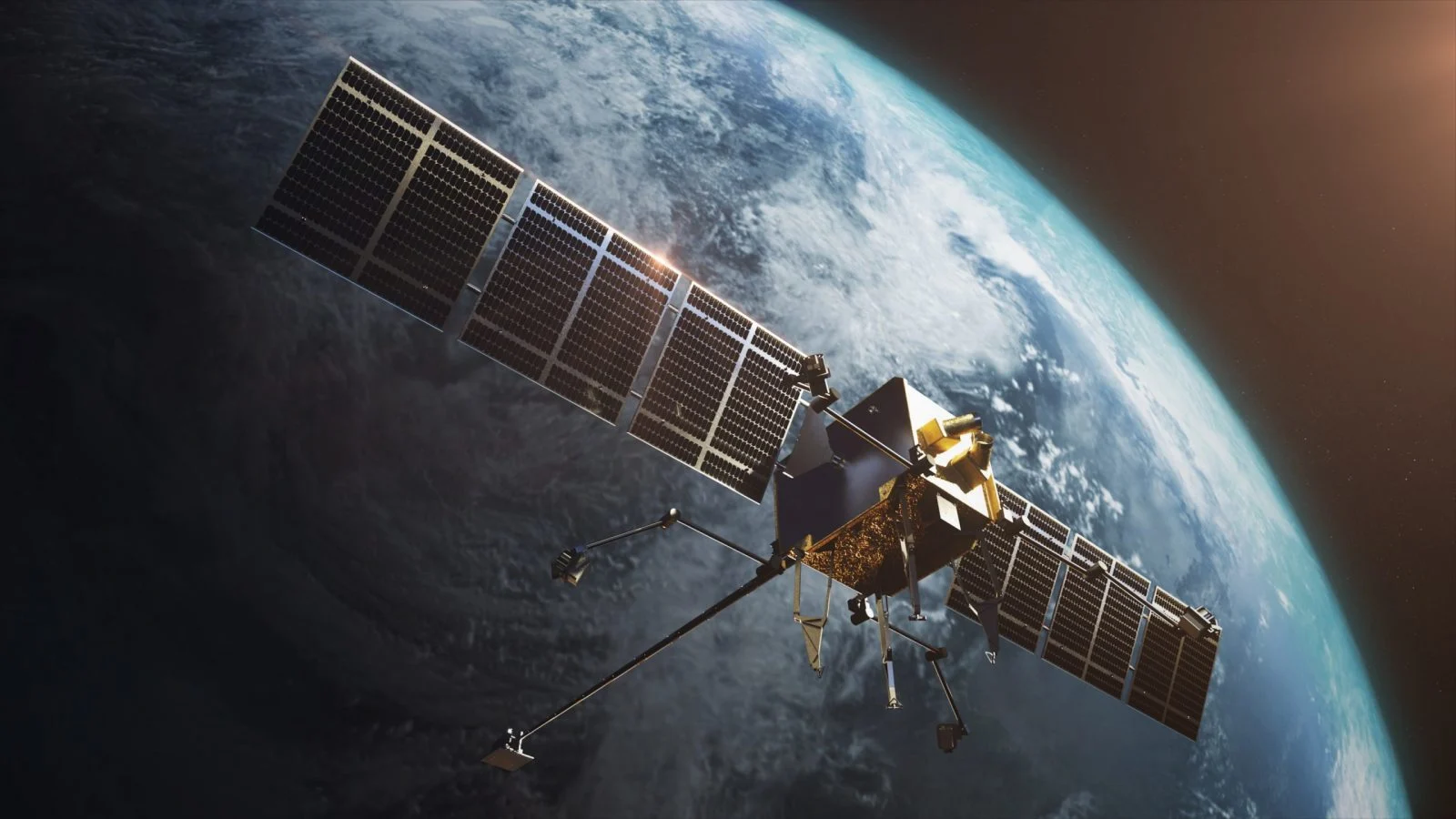
Over 60 years of space exploration have led to serious space environmental problems. Upper stages of rockets and decommissioned satellites remain on orbit, contributing to the growing amount of space debris and increasing the risk of explosions and collisions. The Kessler Syndrome, first suggested several decades ago, describes a scenario where collisions between debris generate a cascading effect, leading to even more debris. This risk is no longer theoretical, as collisions with debris have already occurred, leaving the space environment in an unpredictable state. For debris removal to become a regular activity, strong governmental support is essential for advancing technical development and establishing stable service provision. This requires funding for missions to develop the necessary technology and active policy reforms that will lead to safe and sustainable operations. In March 2020, JAXA announced it would fund the first phase of a mission focused on the observation, characterization, and eventual removal of a large piece of Japanese space debris. The initial phase of the mission includes the location, close approach, and rendezvous with a Japanese upper stage rocket body, followed by the acquisition of in-situ data to better understand the movement and other characteristics of the debris. JAXA selected Astroscale Japan Inc. and its ADRAS-J (Active Debris Removal by Astroscale-Japan) program as the commercial partner for the first phase of this mission. This paper explains the critical technologies, the concept of operations, and the results of the on-orbit demonstration of the ADRAS-J program. Launched in February 2024, ADRAS-J has resulted in the world’s first unprepared large debris observation mission, demonstrating full-range RPO(Rendezvous and Proximity Operation) to the debris.